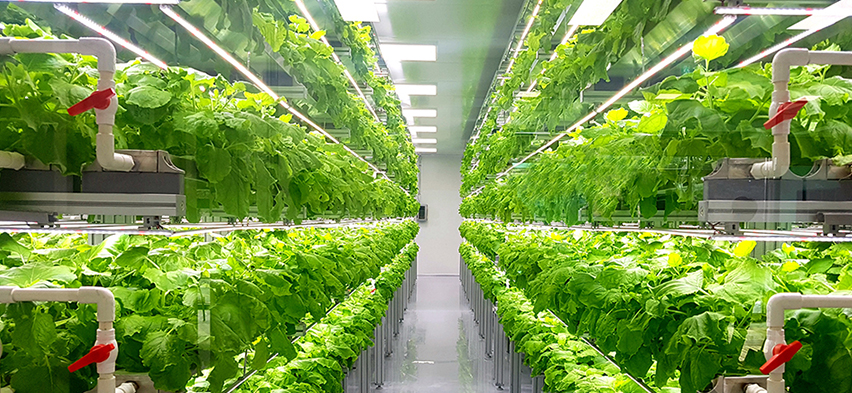
Dehumidifying capacity is one of the most overlooked aspects of indoor cannabis production, as it affects the overall health and growth of the plants. In a controlled indoor environment, the relative humidity (RH) and temperature can fluctuate, which can have a significant impact on the dehumidifying capacity of the room.
Relative humidity is a measure of the amount of moisture in the air compared to the amount of moisture the air can hold at a specific temperature. In indoor cannabis production, the ideal relative humidity level for cannabis plants is between 40-60%. If the relative humidity is too high, it can lead to mold and mildew growth, which can harm the plants and reduce the quality of the buds. If the relative humidity is too low, it can cause the plants to dry out and become stressed.
Temperature also plays a role in the performance of a dehumidifier in indoor cannabis production. The ideal temperature range for cannabis plants is between 70-85°F. If the temperature is too high, it can lead to heat stress and reduced growth, while if the temperature is too low, it can slow down the growth and development of the plants.
To ensure that the relative humidity and temperature levels are optimal for cannabis growth, many indoor growers use dehumidifiers to control the moisture levels in the room. However, the performance of a dehumidifier can vary based on the relative humidity and temperature of the room.
Manufacturers of dehumidifiers often provide a performance chart that shows the relationship between relative humidity and temperature, and the dehumidifying capacity of the unit. These charts typically show the dehumidifying capacity at different relative humidity levels and temperatures.
For example, a dehumidifier with a capacity of 50 pints per day (ppd) may be able to remove 50 pints of moisture per day when the relative humidity is 70% and the temperature is 75 degrees Fahrenheit. However, if the relative humidity increases to 80% and the temperature drops to 65 degrees Fahrenheit, the dehumidifying capacity may decrease to 40 pints per day.
It is also important to note, not all manufacturers rate their dehumidifiers the same. Some will rate their pints per day (ppd) using 86F @ 80% Relative humidity. While other manufactures will rate at AHAM Certification, which is 80F @60%. When calculating your dehumidification needs, its imperative to make sure you are comparing apples to apples .Your not undersizing your dehumidification needs, due to looking at rated conditions ,that would never be real world grow room conditions.
A good example of this is at your end of flower cycle. Your requirement of 1000 ppd for the room could be sufficient at conditions of 80F 60% RH. However we all know at week 8 of flower the grower likes to achieve much lower temperatures . This reduces the capacity of the dehumidifier performance, which might only be capable of 500 ppd at these low temperatures conditions. So understanding your equipments capacity at these conditions and what your water usage is in your room is vital from controlling your room humidity.
It’s important to note that these performance charts are based on ideal conditions and may not reflect the actual performance of the dehumidifier in a specific environment. Factors such as air flow, filter maintenance, and the size of the room can also affect the dehumidifier’s performance.
When choosing a dehumidifier for indoor cannabis production, it’s important to consider the relative humidity and temperature of the room, as well as the size of the area to be dehumidified. A larger dehumidifier with a higher capacity may be needed for a room with high relative humidity and high temperature. Additionally, it’s important to regularly monitor the relative humidity and temperature levels in the room and adjust the dehumidifier settings accordingly to ensure optimal growing conditions for the plants.
In conclusion, dehumidifying capacity is an important aspect of indoor cannabis production. The relative humidity and temperature of the room can have a significant impact on the performance of a dehumidifier. Manufacturers often provide performance charts that show the relationship between relative humidity and temperature, and the dehumidifying capacity of the unit. However, it’s important to consider factors such as air flow, filter maintenance, and the size of the room when choosing a dehumidifier for indoor cannabis production. Additionally, it’s important to regularly monitor the relative humidity and temperature levels in the room to ensure optimal growing conditions for the plants.